Designing Landing Pages for Conversion
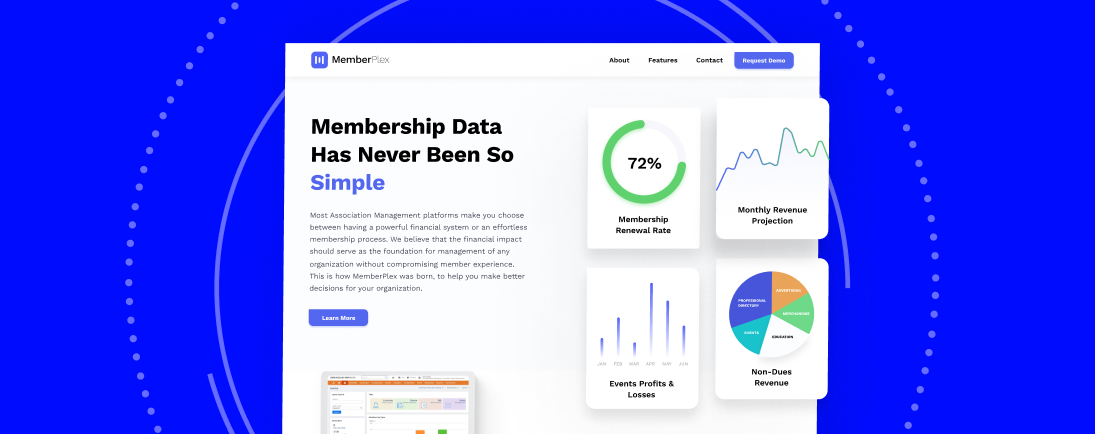
Landing pages are a crucial part of any conversion-focused web marketing strategy. They are where you can show off your best features, inspire trust in your brand, and more. If you have ever wondered what makes one landing page convert better than another, here is the breakdown of how to design them so that they convert visitors into customers.
01. Understand your target audience

Before you can design a landing page, it's important to understand your target audience. This is the group of people who will be visiting your website and buying products or services from you. Your best bet is to ask them directly what they want from a page on their site, as well as what they are looking for in terms of content on that page. By understanding what your customers want, as well as how often they check out products and how long it takes them to make purchases, you can create an effective landing page that provides value for both buyers and sellers alike.
02. Create a clear value proposition
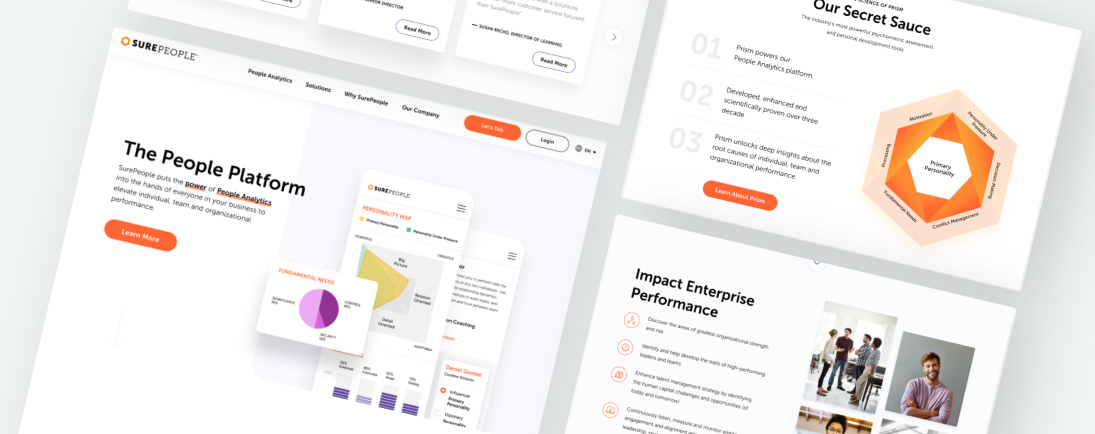
A clear value proposition is crucial to converting visitors into leads, as it tells them what you're offering and why they should buy from you. The goal of your landing page is to make the benefits of buying from your business appear in a way that's easy for visitors to understand.
Make sure the value proposition isn't too long! Longer than three sentences will likely annoy people who don't have time or patience for it and may cause them not to even read all of it before moving on. If you have more than five sentences, consider breaking up some of those into shorter phrases that speak directly to their needs without being overwhelming.
Use benefits instead of features; benefits are specific details about something happening within an organization, whereas features just describe things generally applicable across many organizations (e.g., "We offer free shipping"). Benefits matter because they tell potential customers how much money they'll save over time by working with your company rather than another one; features can't compete here because there aren't any specifics attached yet.
03. Get specific about your features
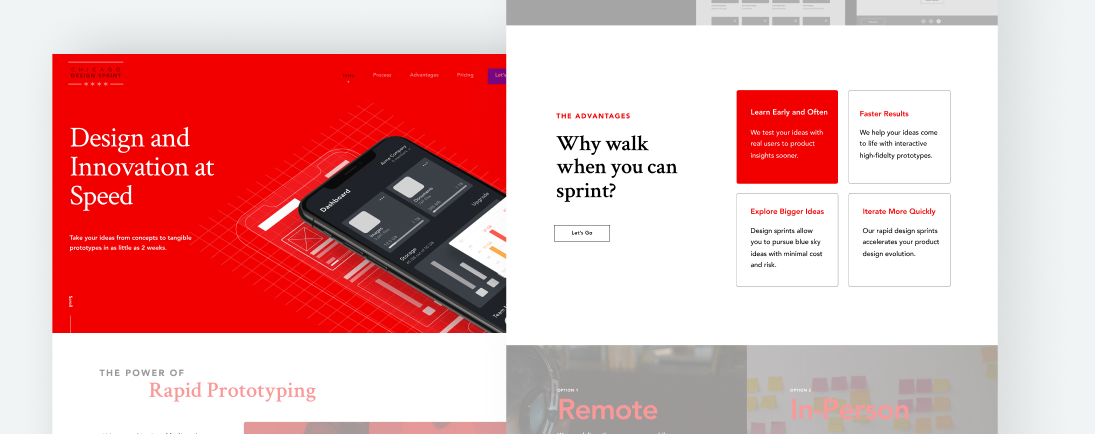
A landing page is a single page that users visit after clicking on your website. The goal of your landing page is to convert visitors into leads and customers, which means it has to be effective at communicating how you can help them solve their problems. To do this effectively, you need the right features on your landing pages.
The best way to get specific about what makes a great feature is by testing different things out with users before thinking up an idea for yourself. For example, if you are designing a lead generation tool for small businesses that had been having trouble selling their products online but were happy with their current marketing strategies because they weren't too expensive or hard to find—the first step would probably be testing different types of email newsletters to find one that works well for both existing customers and potential ones, because those two groups are very different.
04. Send a strong message with image choice
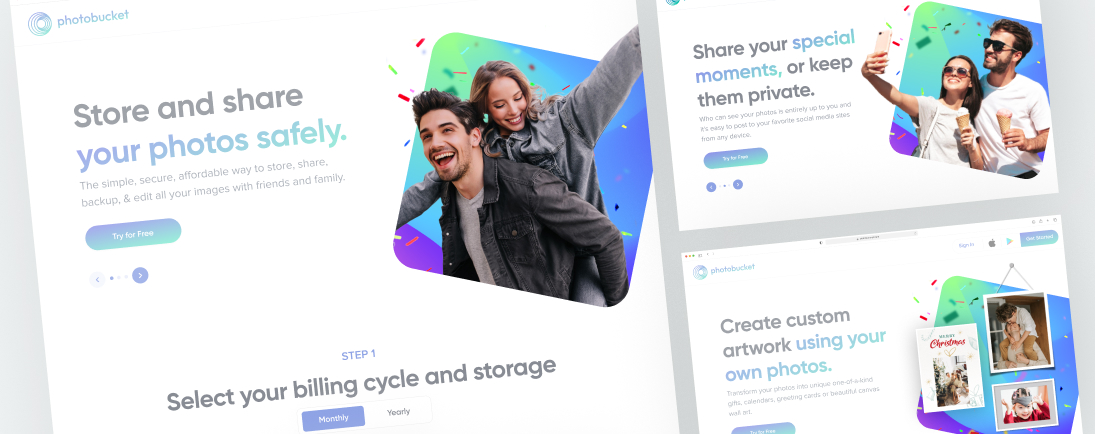
When choosing images for your landing page, it's important to keep in mind what you want the viewer to take away from them. If a photo is too small or blurry, there won't be much of an impact on their memory and they may not remember it at all. Use high-resolution images that are clear and easy to understand if possible.
Images can also help convey meaning through context: use photos that show how something works; this makes it more likely that people will relate to your product or service by virtue of their own experiences with similar items or situations.
05. Make sure your design is responsive
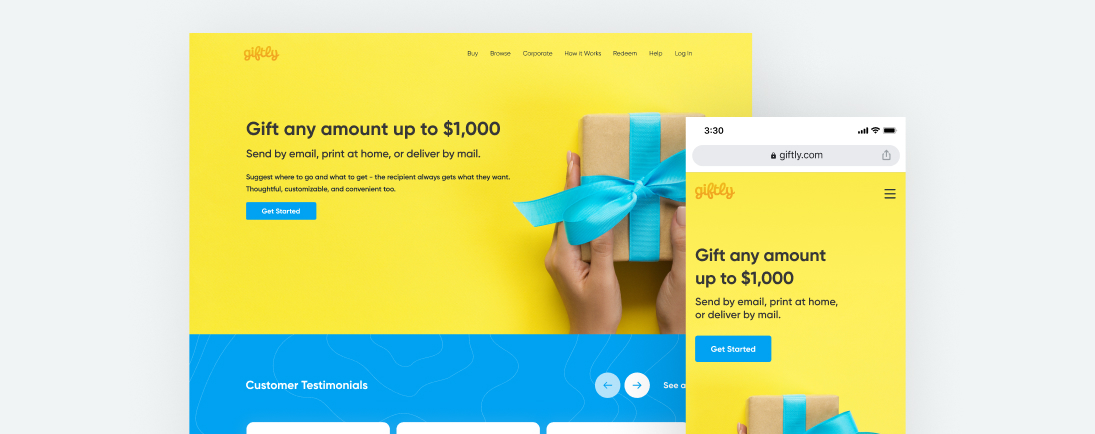
Responsive design is important for mobile users. It's also important for SEO, usability and conversions. Your landing page should be responsive by default. This means that the layout of your site will automatically adapt to fit different screen sizes and orientations. Once you've determined which platform works best for your business goals and needs, take advantage of responsive design techniques so that all users have an optimal experience when viewing content on their phones or tablets.
Landing pages are a great way to test the waters and get your product in front of potential customers. They're also a good place to see how people respond to your offer, so they should be treated as carefully as any other marketing campaign.
Next article —